





Creating a positive classroom culture does not have to involve complicated behavior systems, a giant classroom economy with a rewards store, or another routine you have to manage every five minutes.
Often, the simplest classroom tools make the biggest difference.
The signs, displays, and routines you already use can help students feel welcomed, valued, and confident while also making expectations easier to understand. The goal is to create a nice balance of belonging, recognition, responsibility, communication, and clear expectations.
That makes the classroom feel less like “10 cute things to hang” and more like a space where decor helps shape how students treat themselves, one another, and their learning environment.
Here are 10 simple classroom displays that can help you build a positive classroom culture from day one.
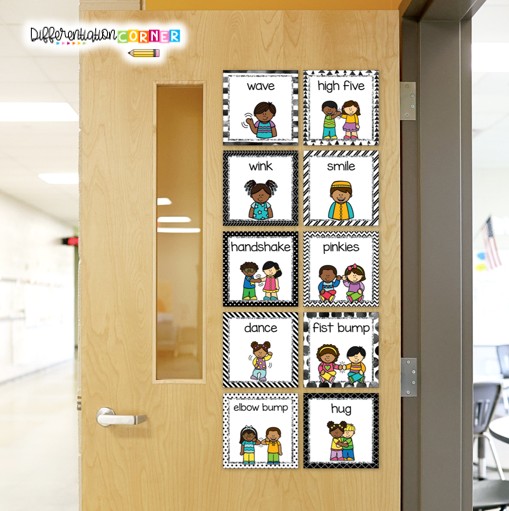
1. Welcome Students with Door Greetings
A positive classroom culture can begin before students even walk through the door.
Door greeting choices give students a simple way to connect with you each morning. Whether they choose a wave, fist bump, high five, or smile, the routine helps each student feel noticed.
It takes only a few seconds per student, but it sends a clear message: You belong here, and I am glad you came.
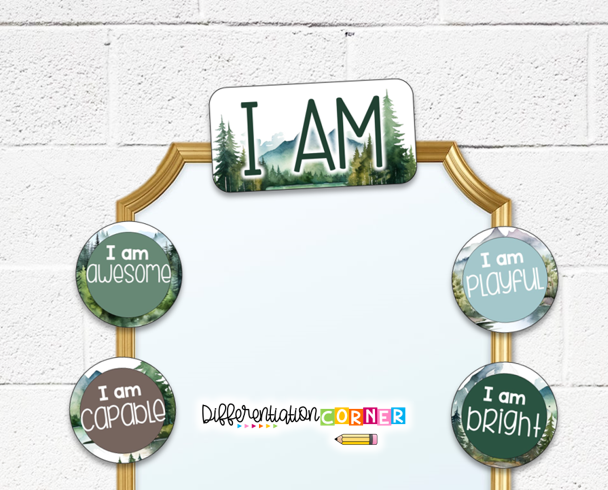
2. Build Confidence with an Affirmation Station
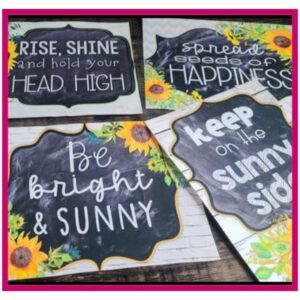
An affirmation station encourages students to replace negative self-talk with positive, encouraging words.
Place affirmation cards near a mirror, calm down corner, or classroom entrance. Students can read statements such as “I can keep trying” or “My ideas matter” whenever they need a little confidence boost.
It does not need to become a full lesson every day. Simply having the reminders available gives students a helpful tool they can use independently.

3. Create a Welcoming Space with a Welcome Banner or Bulletin Board
A welcome banner or bulletin board is a simple way to make every student feel like an important part of the classroom community.
This does not have to be an elaborate bulletin board masterpiece. A welcoming message like, “I’m so happy you’re here!” with student names or a few matching accents are enough to make it meaningful. The goal is to have students walk in the room and think, “There’s a place for me here.”

4. Recognize Every Student with a Birthday Board
A birthday display is a simple way to recognize each student during the school year.
Students enjoy seeing their names displayed and knowing their special day will be remembered. It also gives classmates an opportunity to celebrate each other.
You do not need elaborate gifts or a full birthday production. A cheerful display and a quick classroom acknowledgment can still make a student feel special.

5. Celebrate Effort with an Amazing Work Display
An amazing work bulletin board shows students that their effort, creativity, and progress matter.
Try rotating the work regularly so every student has an opportunity to be featured. You can display writing, artwork, math strategies, projects, or examples of improvement.
The work does not have to be perfect. In fact, displaying growth can send an even stronger message that learning is a process. This helps build a strong classroom culture of hard work.
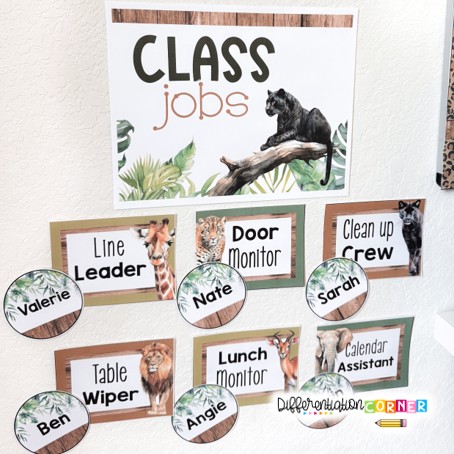
6. Give Students Ownership with Classroom Jobs
Class jobs help students see themselves as contributing members of the classroom community.
Simple responsibilities such as passing out papers, organizing supplies, checking the floor, or updating the calendar build independence and teamwork.
Jobs also remind students that the classroom belongs to everyone. Keeping the system simple makes it easier to maintain and prevents class jobs from becoming a job for you.
Read more about how I run class jobs HERE and grab a FREE giant list of elementary classroom job ideas.

7. Make Communication Easier with Hand Signals
Hand signals give students a clear way to communicate their needs without interrupting instruction.
Students can signal when they need help, have a question, need a pencil, or need to use the restroom. This helps reduce interruptions while making sure students can still communicate.
The system works best when the signals are easy to remember and displayed where students can quickly reference them.

8. Set Clear Expectations with Voice Levels
Voice level posters help students understand what different activities should sound like.
Instead of repeatedly saying, “It’s too loud,” you can point students toward a clear visual expectation. They know whether they should be working silently, whispering with a partner, or using a presenter voice.
Clear expectations create a calmer classroom because students are not left guessing what you mean by “quiet.”
Read more about how I use a voice level chart here.
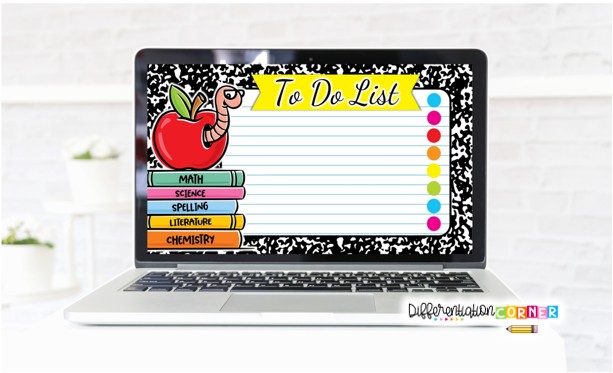
9. Start the Day Positively with Daily Slides
Daily slides can help create a calm and welcoming classroom culture.
Use them to display a morning message, schedule, announcement, question of the day, or positive reminder. Students know what to expect when they enter, which helps the morning feel more organized.
A predictable beginning can set the tone for the entire day without requiring a complicated morning routine.
Read more about how I use daily slides in my room HERE.

10. Keep Classroom Rules Positive and Simple
Classroom rules should be easy for students to understand, remember, and follow.
Focus on a few positively stated expectations that support respect, safety, responsibility, and learning. Displaying the rules provides a consistent reminder for students and gives you language you can refer to throughout the year to keep a positive classroom culture.
The goal is not to create a long list for every possible situation. Simple and predictable expectations are usually more effective.
Read this blog post to find out how I choose the best rules for my class each year. Want to make your class rules meaningful? Read this post.
A Positive Classroom Culture Can Be Simple
Building a positive classroom culture is not about creating one perfect system. I find that using small, consistent routines that help students feel like they belong works the best.
Door greetings build connections. Class jobs create teamwork. Displays for student work and birthdays help students feel recognized. Hand signals, voice levels, and rules make expectations clear.
Start with a few pieces that solve the biggest needs in your classroom. You can always add more later.
When classroom decor supports belonging, communication, independence, and respect, it does much more than make your room look put together. It creates a classroom culture where students feel comfortable, capable, and ready to learn.
Build a Classroom That Feels Positive and Welcoming
Explore my classroom collections to find coordinated displays, classroom management tools, organization pieces, and welcoming touches designed to make setting up your classroom easier. Choose a style you love, print the pieces you need, and create a space that works for you and your students.